


Most casino players lose money. That's not a moral judgment, it's math. Every game on every floor and every server is built with a house edge baked into the rules, and over enough spins, flips, and deals, that edge does exactly what it's supposed to do: grind your bankroll down. The players who stick around and actually enjoy themselves long-term aren't luckier than you. They've figured out that the difference between a 0.5% edge and a 5% edge is the difference between entertainment and a slow bleed.
This isn't a sermon about quitting. It's the opposite. iGaming is more accessible than ever, and if you're going to play, you should play intelligently — which mostly means understanding where the odds actually live and spending your time there.
The House Edge, Explained Without the Jargon
Every bet you place has an expected value. Flip a fair coin for $1 and you'll break even over 10,000 flips. Play blackjack with perfect basic strategy and you'll lose roughly 50 cents per $100 wagered — a 0.5% house edge. Play American roulette and you'll lose about $5.26 per $100 — a 5.26% edge, because of that extra double-zero pocket. A good place to continue is slot depo 5k.
Same casino, same night, ten times the expected loss. That's the whole game. The house edge doesn't tell you what will happen in the next hour. It tells you what happens to your money over hundreds of hours, and that's the timeframe that actually matters.
Where the Best Odds Actually Live
If you want to stretch your bankroll, the hierarchy is surprisingly consistent across casinos:
- Blackjack, blackjack, blackjack. With basic strategy and favorable rules (3:2 payout on naturals, dealer stands on soft 17, double after split allowed), you're looking at a 0.5% house edge. Some variations dip below that.
- Baccarat. The banker bet carries a 1.06% edge. The player bet sits at 1.24%. The tie bet — and this trips up newer players — jumps to around 14%. Skip the tie.
- Craps, pass line. A 1.41% edge on the pass line with full odds is one of the best bets in any casino. The field bet and hardways are where the house makes its money.
- Video poker, Jacks or Better. With perfect play on a 9/6 paytable — nine coins for a full house, six for a flush — you're at 99.54% return. That's better than most slot machines by a mile.
- European roulette. One zero, 2.7% edge. American roulette is the same game with double the house advantage.
Notice what's missing: slots. More on that in a moment.
The Slot Machine Truth Nobody Wants to Hear
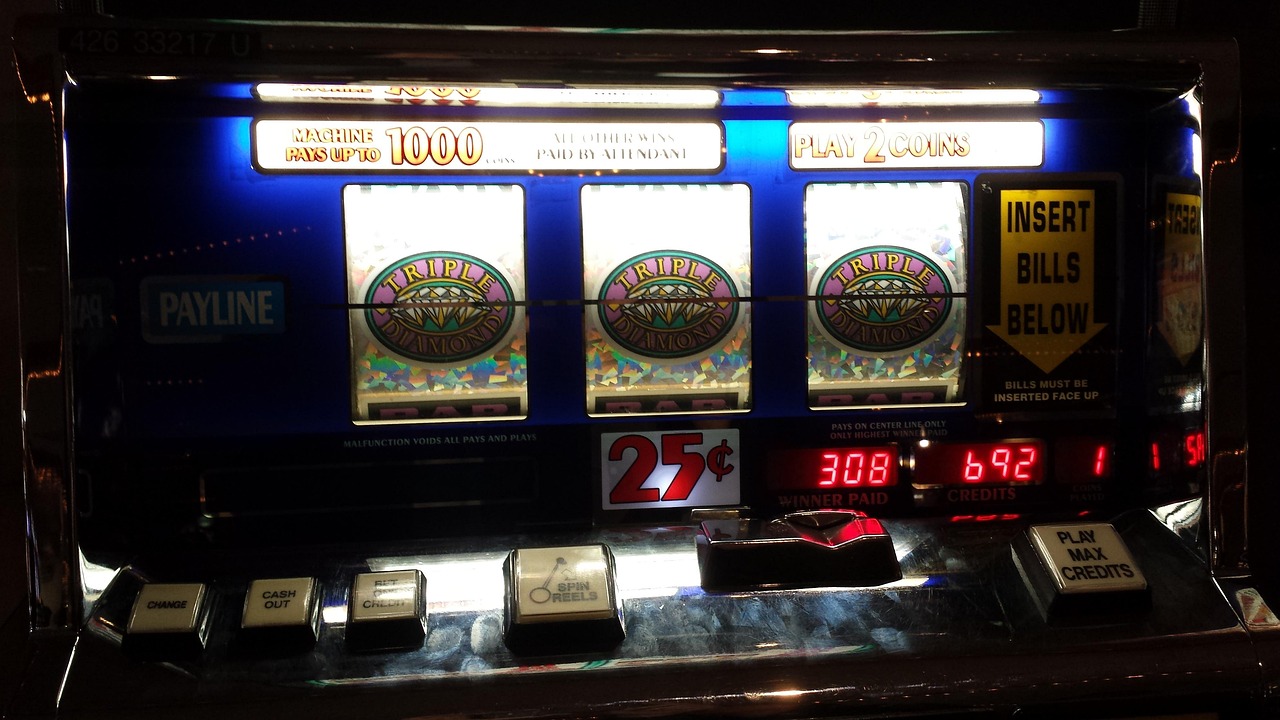
Slots are the most popular games in the world and also, generally, the worst bet on the floor. Return-to-player percentages typically land between 85% and 97%, with physical machines in the US often hovering in the low 90s and online slots clustering a bit higher.
That's not a reason to avoid them entirely — they're fun, they're simple, and the volatility is part of the appeal. But it should change how you play them:
- Check the RTP before you spin. Online, this information is usually published in the game's help file or listed by the operator. A 96% slot and a 92% slot look identical on screen. They are not identical to your wallet.
- Understand volatility. Low-volatility slots pay small amounts frequently. High-volatility slots can go hundreds of spins without a meaningful hit, then deliver a massive payout. Your bankroll needs to match the volatility, or you'll bust before the big moment arrives.
- Ignore the “due for a win” instinct. Each spin is independent on a random number generator. A machine that hasn't paid out in two hours is no more likely to hit than one that just did.
- Skip the bonus-buy temptation unless you've done the math. Buying a feature can cost 100x your stake. The EV might be similar to spinning it out manually, but the variance is brutal.
Poker Is a Different Animal Entirely
Here's the thing that separates poker from every other game in the building: you're not playing against the house. You're playing against other people, and the house just takes a rake. That rake — usually 5% to 10% of each pot, capped — is the only structural cost.
Which means poker is the one major casino game where a skilled player can genuinely walk away ahead over the long run. The edge isn't built into the rules; it's built into how well you read situations and opponents. If you're going to invest serious time in any single game, this is arguably where the effort pays off.
A few practical anchors for players still learning:
- Play fewer hands than you want to. Tight-aggressive starting hand selection beats loose play at almost every low-stakes table.
- Position matters as much as cards. Acting last gives you information everyone else at the table paid for.
- Bankroll management is a skill, not a footnote. A common rule of thumb is 20 buy-ins for the stake level you're playing.
- Track your results. You cannot fix leaks you can't see.
Bankroll Management: The Boring Skill That Decides Everything
You can play a 0.5% edge game and still go broke if you bet too much per hand. The math is unforgiving. A player betting $50 a hand on a $500 bankroll at blackjack will hit a losing streak and tap out, whereas the same player with a $5,000 bankroll has room to absorb variance and let the small edge do its work.
Set a session limit, set a per-hand or per-spin limit, and — this is the hard part — actually stop when you hit either. The single most common mistake in iGaming isn't picking the wrong game. It's chasing losses with stakes that were never sustainable in the first place.
The Takeaway
Nobody plays casino games because they expect to get rich. The point is to be entertained, and the players who get the most out of it are the ones who understand that the house edge is a dial, not a switch. Turn that dial as low as you can — blackjack with solid strategy, banker bets at baccarat, 9/6 Jacks or Better, European over American roulette — and you'll play longer, learn more, and lose less per hour than the person next to you feeding a 90% RTP slot on autospin.
Play games with a real decision in them. Play stakes you can genuinely afford. And if you ever find yourself playing to make money back rather than to enjoy the game, close the tab. That shift in intent is the only edge that has ever truly mattered.
Related posts
More stories you’ll love reading