


Most people who lose money at online casinos don't lose it because the games are rigged. They lose it because they never bothered to understand what they were actually doing. They pick a slot because the artwork looks cool, chase a blackjack loss with a bigger bet, or dump a week's salary into a poker tournament they had no business entering. The house doesn't need to cheat when the average player is already making decisions that guarantee a slow bleed.
That's the uncomfortable truth of iGaming: the math is fixed, the rules are public, and yet the majority of players still act like the outcome is a mystery. The people who actually walk away ahead—or at least walk away intact—share a handful of habits. Here's what those look like in practice, across slots, table games, betting, and poker.
Slot RTP Is Not the Same as Your Odds Tonight
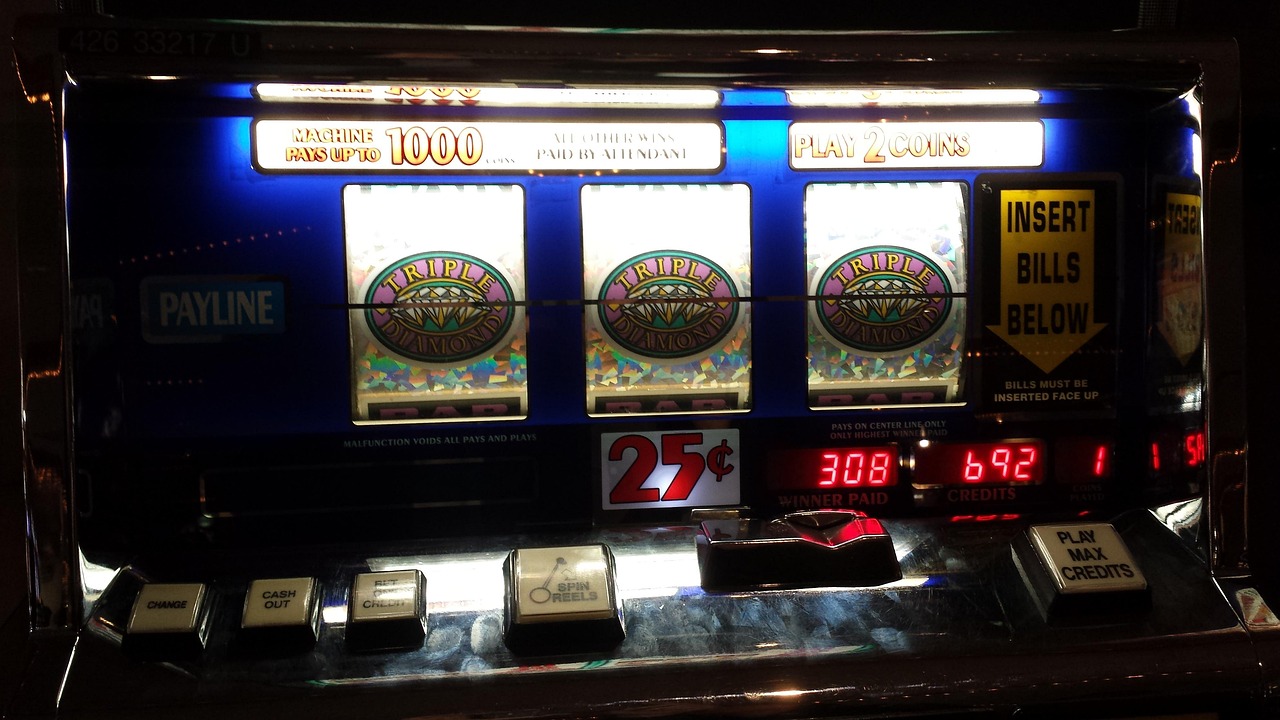
Every regulated slot publishes a return-to-player percentage, usually somewhere between 94% and 97%. New players see "96% RTP" and assume they'll get 96 cents back per dollar. That's not how it works. RTP is a long-run average across millions of spins, and volatility decides how far from that average you'll swing.
A low-volatility slot like Starburst pays out small amounts frequently—good for stretching a bankroll, boring if you want a headline win. A high-volatility monster like Money Train 3 can eat 300 spins without a sniff, then hand you 2,000x in one bonus round. Same RTP range, completely different experience.
Practical takeaway:
- Pick volatility to match your bankroll, not your mood. A $50 bankroll on a high-volatility slot is a lottery ticket, not a session.
- Check the RTP before you deposit. Some operators run the same slot at 94% instead of 96%—that 2% is pure profit for them over time.
- Ignore hot and cold. Slot outcomes are driven by a random number generator. A slot that hasn't paid in an hour doesn't owe you anything.
Blackjack Strategy Beats Card Counting for Most People
Card counting gets the movies, but it's a rounding error compared to the value of simply playing basic strategy. The house edge on a standard 3:2 blackjack game is roughly 0.5% if you play perfectly. Play by gut feel—standing on 16 against a 10, hitting 13 against a 5—and that edge can balloon past 2%.
That gap matters more than any betting system. Martingale, Paroli, whatever rebranded doubling scheme you've seen on YouTube—none of them change the house edge. They just rearrange when you lose. Basic strategy, by contrast, is a solved chart you can learn in an afternoon. Plenty of people rely on สล็อต for this kind of information.
Three things to confirm before sitting down:
- Is it 3:2 or 6:5 on blackjack? Always take 3:2. A 6:5 game adds over 1.4% to the house edge by itself.
- How many decks? Single-deck with favorable rules is a gift; an eight-deck shoe with no surrender is a grind.
- Does the dealer stand on soft 17? Standing is better for you. Hitting on soft 17 costs you another 0.2% or so.
Baccarat is even simpler. The banker bet carries about a 1.06% house edge after commission, the player bet about 1.24%, and the tie bet a brutal 14.4%. If you're going to play a table game without studying, banker is your friend.
Sports Betting: Line Shopping Is Free Money
The single most underrated skill in online betting has nothing to do with handicapping. It's line shopping—comparing odds across multiple sportsbooks before placing a bet. Different books price the same game differently, and on a full slate those differences add up fast.
Imagine you're betting $100 on a team priced at -110 at one book and -105 at another. At -110 you risk $110 to win $100. At -105 you risk $105. Same outcome, $5 less risk. Do that across 500 bets a year and you've saved $2,500 without predicting a single result better than before. Sharp bettors also grab closing line value—getting a better number than the market settles on—which historically correlates with long-term profit more than win rate does.
A few habits worth building:
- Open accounts at three or four regulated books, not one. Bonuses aside, redundancy is your edge.
- Track your bets in a spreadsheet. Memory lies; data doesn't.
- Treat parlays as entertainment, not strategy. The house edge compounds with every leg.
Poker Is a Skill Game With a Rake Problem
Poker is the only discipline on this list where a good player can genuinely beat the field long term. But the rake—the fee the house takes from each pot—sets the bar for who profits and who subsidizes the game.
At low-stakes cash tables, rake can be 5% capped at $3 per hand. That means a huge chunk of the money on the table is bleeding away every hour. Break-even players become losers, and small winners become break-even. The higher the stakes relative to the rake, the more room skill has to express itself.
From a strategy standpoint, three leaks kill more recreational players than anything else:
- Playing too many starting hands. Tight is right, especially out of position.
- Ignoring position. The button prints money; the small blind donates it.
- Chasing draws without the right pot odds. A flush draw needs roughly 4:1 to call profitably on the turn, not 2:1.
Online poker also brings HUDs, tracking software, and multi-tabling regulars into the mix at higher stakes. If you're new, micro-stakes tournaments with soft fields are a far better learning ground than $1/$2 cash games against grinders.
Bankroll Management Is the Unsexy Superpower
Ask any long-term profitable gambler what matters most and you'll hear the same answer: bankroll management. It's the practice of sizing your bets relative to the total money you've set aside specifically for gambling, with the understanding that you might lose all of it.
A reasonable framework most disciplined players use:
- Separate bankroll from living money. Never the same account.
- Bet 1–2% of your bankroll per wager in sports, and 20–50 buy-ins for poker tournaments.
- Set stop-losses and stop-wins before the session starts. Emotional decisions cluster right after a big swing.
The math is straightforward. With a 2% unit size, a 10-bet losing streak costs 20% of your roll. With a 10% unit size, the same streak wipes out 65% and leaves you mathematically unlikely to recover. Bet sizing doesn't change your win rate—it changes whether you survive long enough for your edge to matter.
What Actually Separates the Two Groups
The line between a sharp player and a wallet isn't intelligence or luck. It's process. The sharp player reads the RTP before spinning, learns basic strategy before sitting down, shops lines before betting, and sizes every wager against a bankroll they can afford to lose. None of that is exciting, and none of it guarantees a win on any given night.
But over hundreds of sessions, the difference between a 0.5% edge and a 3% edge is the difference between a hobby and a slow financial leak. iGaming isn't designed to be beaten consistently—it's designed to be entertaining. The players who understand that, respect the math, and treat every deposit like a cost rather than an investment are the ones who actually get to enjoy it. Everyone else is just funding the lights.
Related posts
More stories you’ll love reading