



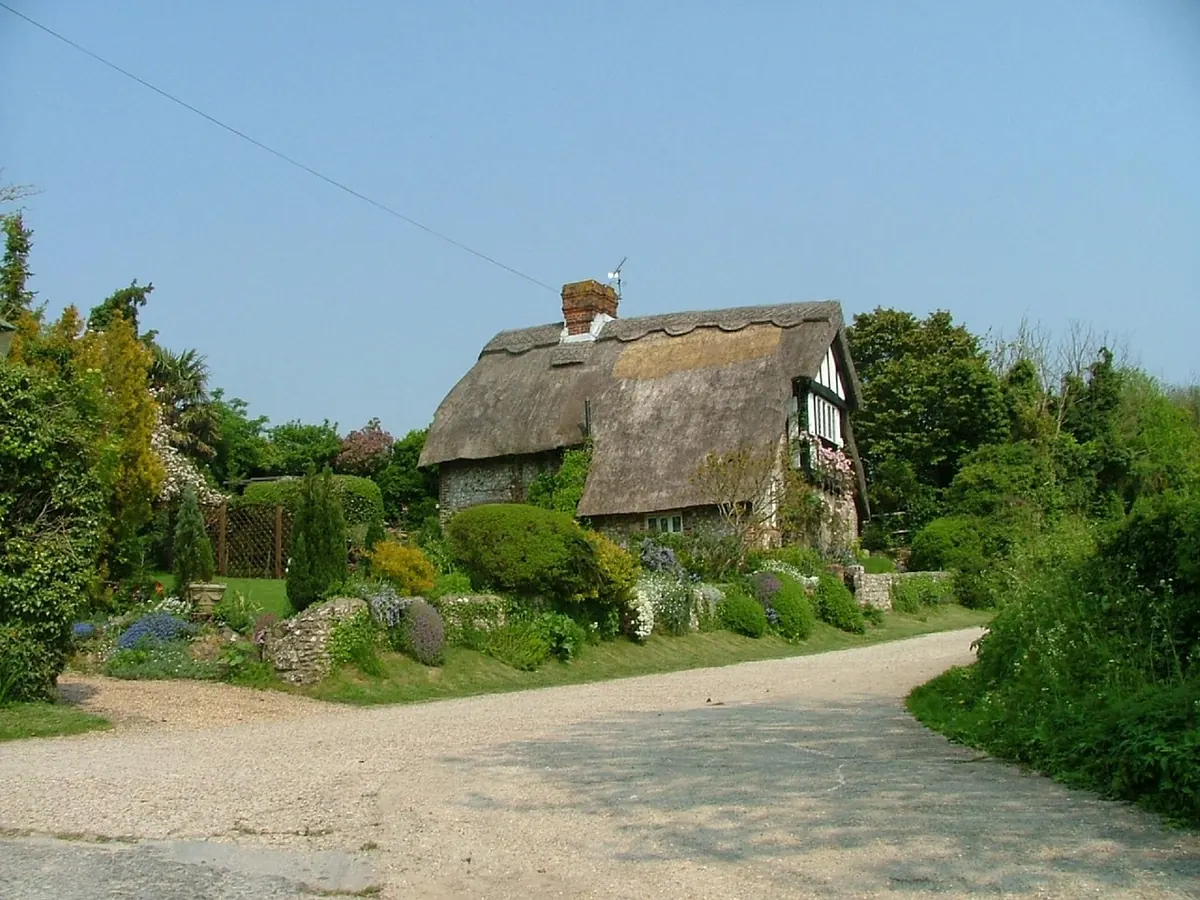
A thatched cottage at the end of a Devon lane, cob walls the colour of clotted cream, a roof that looks like a sleeping animal. It is the picture most buyers carry in their heads before they start viewing. The reality is warmer and rather more complicated. Thatch is a living roof. It settles, it moves, it drinks water and dries out, and it asks for money at intervals you cannot always predict. None of that should put you off. It should change the order in which you do things.
Before you make an offer on a thatched property, you want a clear picture of what you are taking on. Work through the checks below roughly in this order. Some of them cost money up front, and one or two may take a fortnight to arrange. Both are cheaper than discovering the problem after exchange.
1. Look at the bones before the hair
Thatch gets the attention, but the structure underneath decides whether a cottage is a project or a problem. Across much of Devon that means cob: earth and straw built up in lifts, finished with lime. Cob likes to breathe and hates trapped moisture. Cement render, modern plastic paints and raised ground levels can all push damp into the wall, where it softens the fabric quietly over years.
What to ask a surveyor to focus on
Commission a survey that goes well beyond a mortgage valuation, and check that the surveyor has handled thatch and cob before — not all have. A RICS Level 3 building survey is the usual starting point. Ask specifically about the roof structure and wall plate, the condition of the timbers, the chimney stack, ground levels against the walls, gutters and downpipes, and any sign of movement in the walls.
2. Reading the thatch itself
Look at two things separately: the main coat and the ridge. The ridge is the most exposed part of the roof and generally needs renewing long before the coat below it. Ask when each was last done, and by whom.
From the ground, you can note sagging sections, moss growth, patches where netting or wire has come loose, and any hollow-sounding areas. Inside, dark staining on upper ceilings is worth investigating, though plenty of old cottages carry historic marks that have not changed in decades. Water finding its way in around a chimney or a valley is common and usually fixable; a coat that has simply reached the end of its life is a larger, planned expense.
Questions worth putting to a thatcher
- When were the main coat and the ridge last renewed, and what material was used?
- What material would you use next time, and why?
- Are the fixings, netting and any fire-retardant treatment still doing their job?
- Is any part of the roof approaching the end of its life?
- Roughly what would a rethatch cost now, and how long would you need?
Expect to pay for an inspection. It is money well spent, and a written report carries weight when you come to negotiate.
3. Listed buildings and consent
Many thatched cottages are listed, and many more sit in conservation areas. Listed building consent is needed for works that affect the building's character — not only obvious structural changes, but sometimes replacement windows, external insulation, changes to roof materials or certain internal alterations. Carrying out works without consent is an offence, can be enforced years later, and tends to surface at the worst moment: when you try to sell.
Check the listing description and grade, search the local authority's planning portal for the property's history, and ask the seller in writing what consents exist for past works. Some areas have Article 4 directions that remove permitted development rights, so assumptions about what you can do without applying are risky. If you have plans, talk to the conservation officer early. Take professional advice from a solicitor with listed-building experience before you exchange.
4. Insurance, mortgage and the rethatch fund
Thatched homes are insurable, usually through specialist insurers, and premiums tend to be higher than for a standard roof. Some mainstream policies will not cover thatch at all, so get quotes before you offer rather than after. Lenders vary too; a broker who deals with period property will save you time.
Then there is the fund. A rethatch is not a surprise, it is a date in the diary. Find out roughly when it falls due and start setting money aside monthly. Budget for the ridge separately, because it will come round sooner.
- Recent insurance schedule, plus any claims history
- Rethatch and ridge invoices, with the thatcher's name and contact details
- Any existing survey or thatcher's report the seller holds
- Details of any unusual covenants or rights affecting the property
5. Chimneys, flues and fire
Chimneys and thatch need managing together. Ask when the chimney was last swept, whether the flue is lined, and whether the stack is tall enough for the appliances in use. A woodburner needs to comply with building regulations, and paperwork should exist for the installation. Look for signs of past chimney fires and ask directly about them.
6. Water, drainage and the wider plot
Rural Devon brings private water supplies, septic tanks and treatment plants, each with its own paperwork. Ask to see permits, service records and, for a private supply, any recent test results. Walk the boundaries and note trees close to the house — roots, shade and leaf fall all matter on a thatched roof. Ask about bats, tree preservation orders and how you access the property.
The twelve-point pre-offer checklist
- Commission a building survey with genuine thatch and cob experience.
- Get a written report from a thatcher covering coat and ridge, with a rough rethatch estimate.
- Confirm the listing grade and conservation area status.
- Check the planning history, and ask for written confirmation of consents for past works.
- Obtain two or three specialist thatch insurance quotes.
- Confirm your lender will lend on thatch before you go further.
- Work out the rethatch timeline and open a separate savings pot.
- Inspect chimney, flue and any woodburner, and ask for installation certificates.
- Check drainage: tank or treatment plant, permits, soakaway, gutters and downpipes.
- Check the water supply and any testing records.
- Ask about bats, protected trees and access arrangements.
- Visit in heavy rain if you possibly can.
Before you make the offer
Use what you find. If a rethatch is two years away, that is a figure you can put into your offer, politely and with evidence attached. If consents are missing, ask your solicitor to press for regularisation before exchange. If the survey throws up something structural, get a second opinion from a specialist rather than walking away on a hunch.
A thatched cottage rewards a buyer who understands it. Do the checks, ask the awkward questions, and keep a sensible reserve for the roof. Then you can enjoy the thing you actually came for: the low beams, the thick walls, and the sound of rain on straw.
Photo: johnnydod / Pixabay
Related posts
More stories you’ll love reading