




Outdoors
Wild Swimming in Devon: How to Stay Safe in Sea, River, and Moorland Pools
October 07, 2026
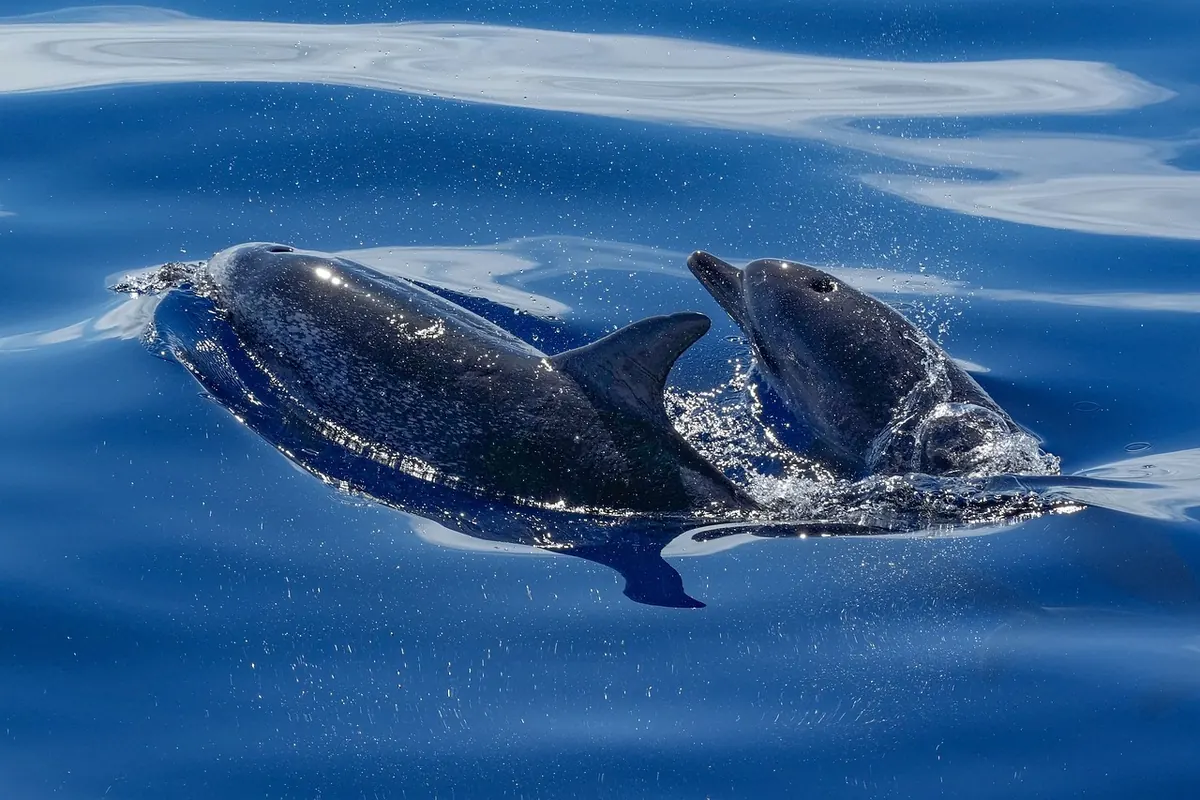
Devon hands you three quite different kinds of water. There is the north coast, where the Bristol Channel tide empties and fills beaches with real force. There is the south coast, softer and warmer, with coves that look made for a morning dip. Then there are the rivers and moorland pools — the Dart, the Teign, the Taw, the streams and peaty pools up on Dartmoor — which run cold all year and change character after rain. Each is worth swimming in. Each asks for a different set of checks before you get in.
Read the tide before you read the water
On the north coast, the tidal range is among the largest in Britain. On a spring tide, high and low water can differ by eight metres or more between Ilfracombe and the Somerset border. A flat you walked out across at midday can be chest-deep by three o'clock. The south coast is gentler, usually four to five metres, but its coves and headlands still fill quickly and cut off escape routes.
Check a tide table the night before, then again on the morning. Note not just high water, but whether the tide is rising or falling and whether it is a spring or a neap. On open beaches, many swimmers prefer a rising tide, because the flow tends to push you shoreward. Around headlands and in coves, a falling tide is when the route back disappears. In estuaries, the rule is simpler: don't swim while the tide is running. The ebb through a narrow mouth moves far faster than you can.
Cold water: the first minute decides the swim
Devon's sea sits around 9–11°C in early spring and reaches roughly 16–18°C at the end of a good August. Rivers and moorland pools run colder, especially where they come straight off the moor. Even in high summer, a deep pool shaded by trees can take your breath away.
The dangerous part is the first thirty seconds. Cold water triggers a gasp reflex, a spike in heart rate and an urge to swim hard. Don't dive in. Walk in, keep breathing out steadily, and splash your face before you commit. Once your breathing settles, keep the swim short — minutes rather than distances in the colder months. Get out while you still feel comfortable, because getting dressed always takes longer than you expect, and your core temperature can carry on dropping after you leave the water.
A wetsuit, neoprene boots and gloves make winter swimming far more enjoyable. If you have a heart condition, high blood pressure, asthma or epilepsy, or you are pregnant, speak to a doctor before you take up cold water swimming.
Currents, rips and the pull of a river
Rip currents form where water funnelled between sandbars heads back out to sea. Look for a gap in the waves, darker water, or a line of foam moving offshore. If you are caught in one, don't swim against it. Swim parallel to the beach until you feel the pull release, then head in. If you tire, float on your back and raise one arm.
Inland, moving water is stronger than it looks. Even shallow, fast water can take your feet from under you. Weirs create recirculating currents that hold you under, and fallen trees act as strainers, pushing water — and swimmers — beneath them. Give both a wide berth, and never swim a river alone.
A five-minute check before you get in
- Pick two exit points, not one. The nearest may be the one the current takes away.
- Watch the water for a full minute. Which way is it moving, and how fast? Any debris?
- Can you see the bottom? If not, wade rather than dive, and watch for rocks and hidden drops.
- Tell someone where you are going and when you will be back.
- Check your phone signal, and whether anyone else is around to help.
- Be honest about how you feel. Tired, hungover or rushing means swim another day.
Rivers and moorland pools: rain changes everything
Dartmoor catches water quickly. A pool that is a trickle at noon can be a brown torrent by evening, so look at rainfall over the whole catchment upstream, not just the sky above your head. After heavy rain, runoff from farmland and storm overflows can also affect water quality. A sensible habit is to leave rivers and estuaries alone for a day or two after heavy rain, keep your head out of the water, cover cuts and grazes, and try not to swallow anything.
Three things to treat with respect
- Blue-green algae. In warm, still pools it forms a green or blue-green scum. It can be toxic to people and dogs. If you see it, swim elsewhere.
- Quarries and old mine workings. Sheer sides, no easy exit, cold layers and submerged debris. Many are on private land and none are worth a dive into opaque water.
- Weil's disease. Leptospirosis is rare but serious. If you develop flu-like symptoms or a fever in the weeks after a freshwater swim, tell a doctor where you have been swimming.
Access, kit and leaving no trace
Open access land in England generally covers walking, not swimming. Inland, there is rarely a right to swim: you are usually relying on a landowner's goodwill or long-standing local custom, and many reservoirs are private with no swimming allowed. Read signs, park without blocking gates, and ask locally — a landlord, a shopkeeper or a walking group will often know exactly where is welcome and where is not.
Take less than you think you need, but take these:
- A brightly coloured swim hat and a tow float, so boats and other swimmers can see you.
- Footwear for the entry — sandals or wetsuit boots for rocks, shells and weever fish.
- A dry bag with a phone, a towel and warm layers, plus a hat for afterwards.
- A warm drink in a flask. Rewarm slowly; skip the hot bath and the pint.
- A friend. The single best piece of safety kit is another person watching.
Leave no fires, no litter and no disturbed wildlife, and the next swimmer gets the same place you did.
Knowing when to turn back
Good wild swimmers are not the boldest ones; they are the ones who are happy to walk away. Decide your limits on the bank, before the cold makes the decision for you: if the tide is pushing, if the river is up, if the wind has got up, if you are on your own — that is a no. There is always another morning, and Devon has plenty of water to go round.
Photo: makabera / Pixabay
Related posts
More stories you’ll love reading